Our history
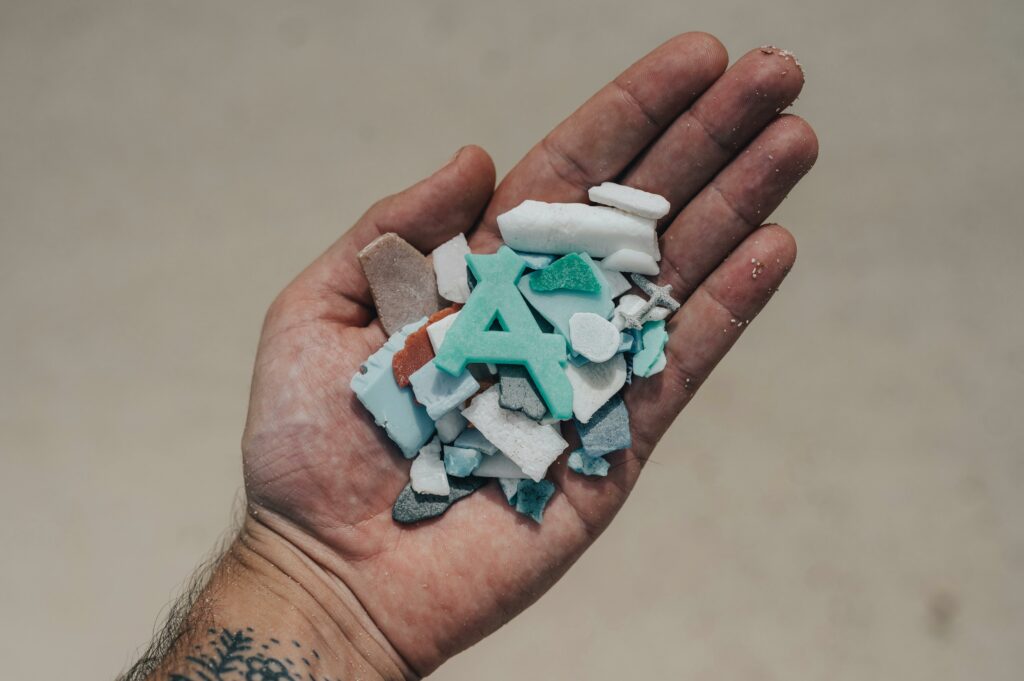
Plast‑ANQO specializes in the chemical analysis of microplastics.Established within the Université de Pau et des Pays de l’Adour, the organization was created to address the growing need for scientific expertise in the fields of plastic pollution and polymer material characterization.
Driven by a team with an academic background and more than 10 years of experience, Plast‑ANQO relies on a network of analytical platforms and scientific partners to deliver services that are rigorous, innovative, and fully aligned with current environmental and regulatory challenges.
Our mission is to place analytical expertise at the service of environmental studies, material control, and the development of innovative solutions. Plast‑ANQO supports projects at every stage, from needs assessment to the implementation of dedicated analyses, including the development or adaptation of analytical methods. The organization also assists its partners in understanding and complying with applicable standards and regulations related to plastics and microplastics.
In a context where plastic management and the understanding of its environmental fate have become key priorities, Plast‑ANQO is committed to providing reliable and actionable data to support the transition toward more sustainable practices. Its strong academic roots, combined with technical and regulatory expertise and operational flexibility, make Plast‑ANQO a trusted partner for projects at the interface of science, innovation, and the environment.
Meet our team
The Plast‑ANQO team brings together four researchers and relies on a network of scientific and technical partners to successfully carry out its activities, both in France and internationally. Hosted by IPREM laboratory (UMR 5254, University of Pau et des Pays de l’Adour), the organization benefits from both a strong academic foundation and the flexibility of a technology transfer unit.
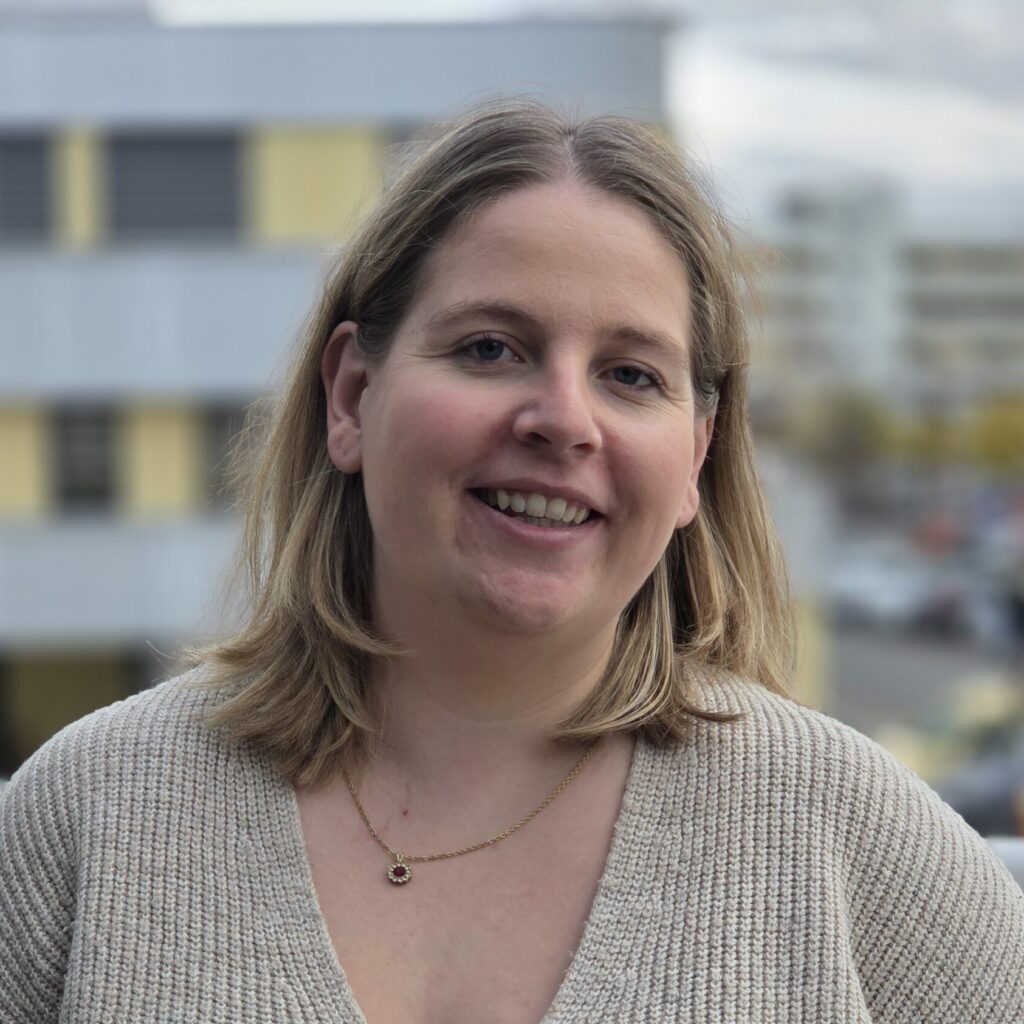
Cloé VECLIN
Co-Founder and Operations Manager
Learn more
A chemist specialized in the analysis of micro- and nanoplastics, Cloé Veclin completed her PhD at the IPREM laboratory of the Université de Pau et des Pays de l’Adour, before pursuing a postdoctoral position at the HIMS laboratory, University of Amsterdam.
After returning to IPREM, she developed and implemented several analytical methods dedicated to the identification and quantification of micro- and nanoplastics. She has contributed to numerous research projects aimed at improving the understanding of their behavior, environmental fate, and impacts.
Within Plast‑ANQO, she is responsible for the operational coordination of the organization and for the scientific oversight of analytical services.
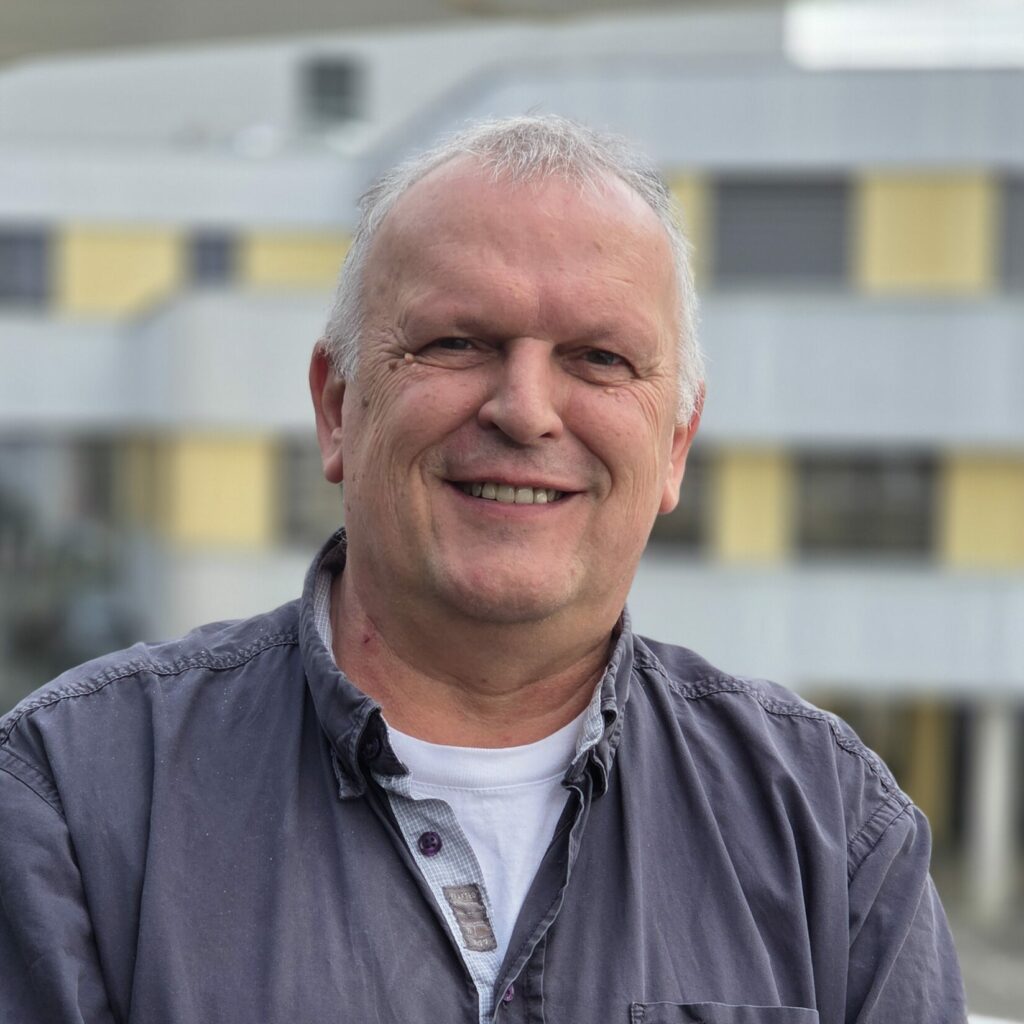
Bruno GRASSL
Co-Founder and Scientific Director
Learn more
A Professor of Chemistry at the University of Pau and Pays de l’Adour, Bruno Grassl has more than twenty‑five years of experience in the field of polymers, covering their synthesis, characterization, and physicochemistry.
For over ten years, his research has also focused on the analysis of micro- and nanoplastics, combining advanced analytical chemistry, physicochemistry, and methodological development.
As Scientific Director of Plast‑ANQO, he brings high‑level expertise and strategic vision to the development of the organization.
Stéphanie REYNAUD
learn more
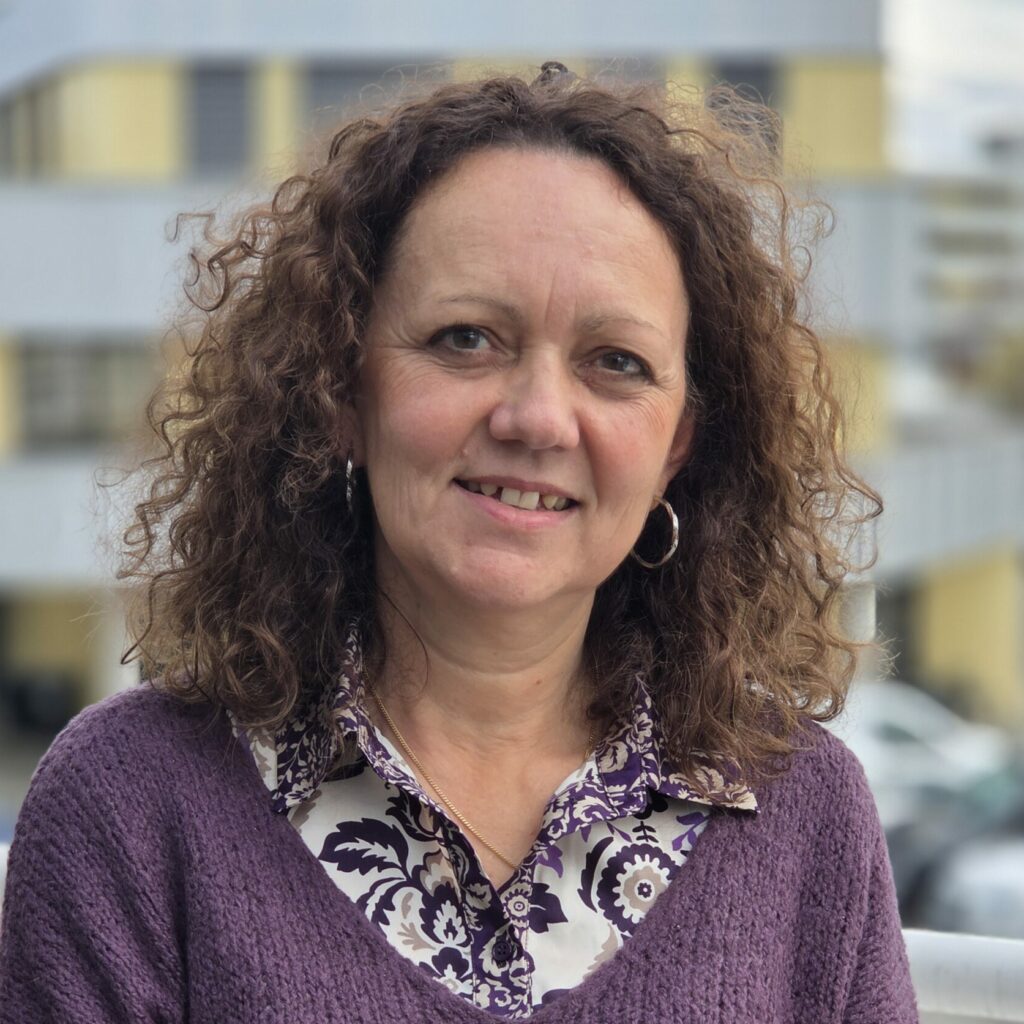
A Research Director at CNRS, Stéphanie Reynaud is a recognized specialist in polymer chemistry. With more than twenty years of experience in academic research, she develops innovative approaches in materials chemistry, spanning synthesis, physicochemical characterization, and advanced analytical techniques.
Her current research focuses in particular on the impacts of micro‑ and nanoplastics, with strong involvement in the development of model samples tailored to current scientific challenges, in order to strengthen knowledge of their behavior across all environments.
Javier JIMENEZ-LAMANA
Learn more
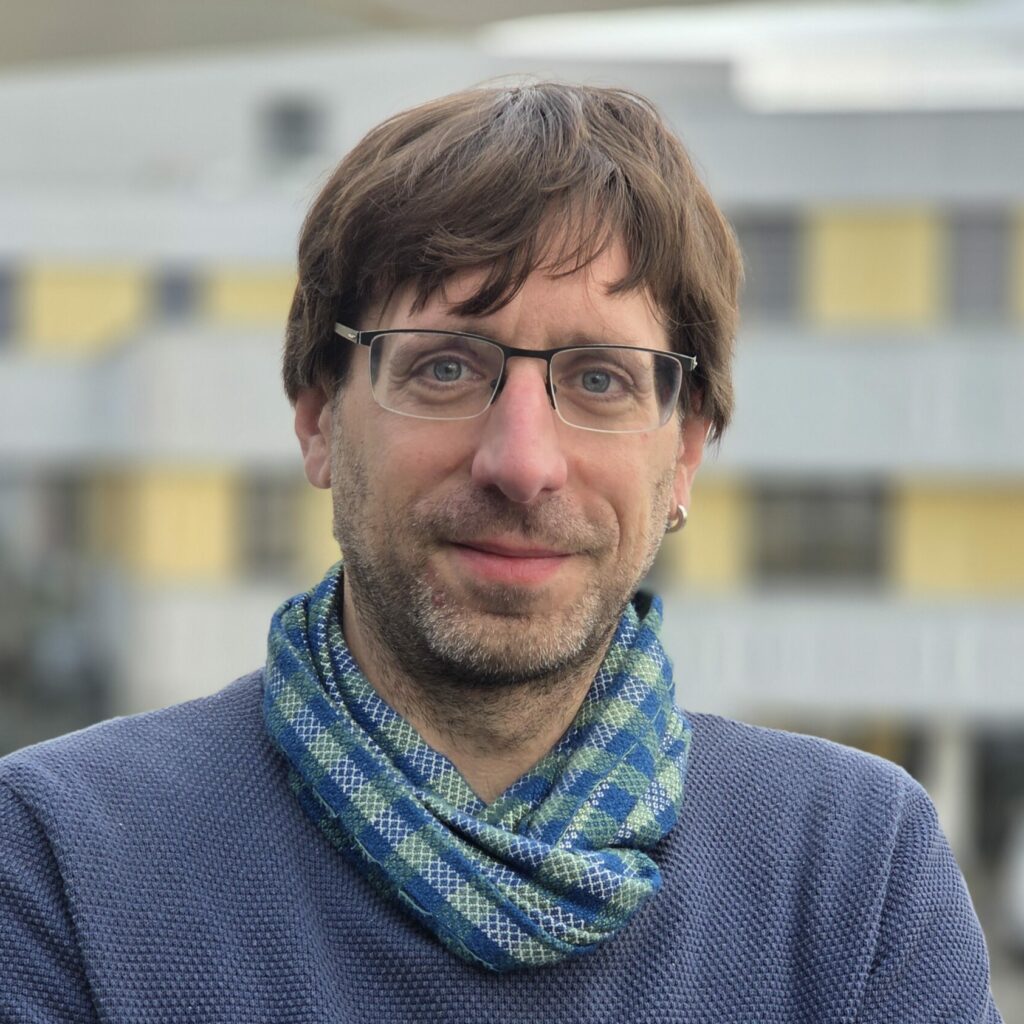
An Associate Professor at the University of Pau and Pays de l’Adour since 2022, Javier Jiménez‑Lamana is an analytical chemist specializing in the study of pollutants at the nanoscale.He develops analytical methodologies based on advanced mass spectrometry techniques to investigate nanopollutants in complex environmental and biological matrices.
His current research focuses on the development of robust protocols for the detection and quantification of nanoplastics, with recognized expertise in the study of nano‑objects in aquatic environments.
Within Plast‑ANQO, he provides key expertise in nanoplastic analysis, strengthens the organization’s capacity to address complex matrices, and contributes to the development of robust and innovative analytical protocols.
A strong academic foundation
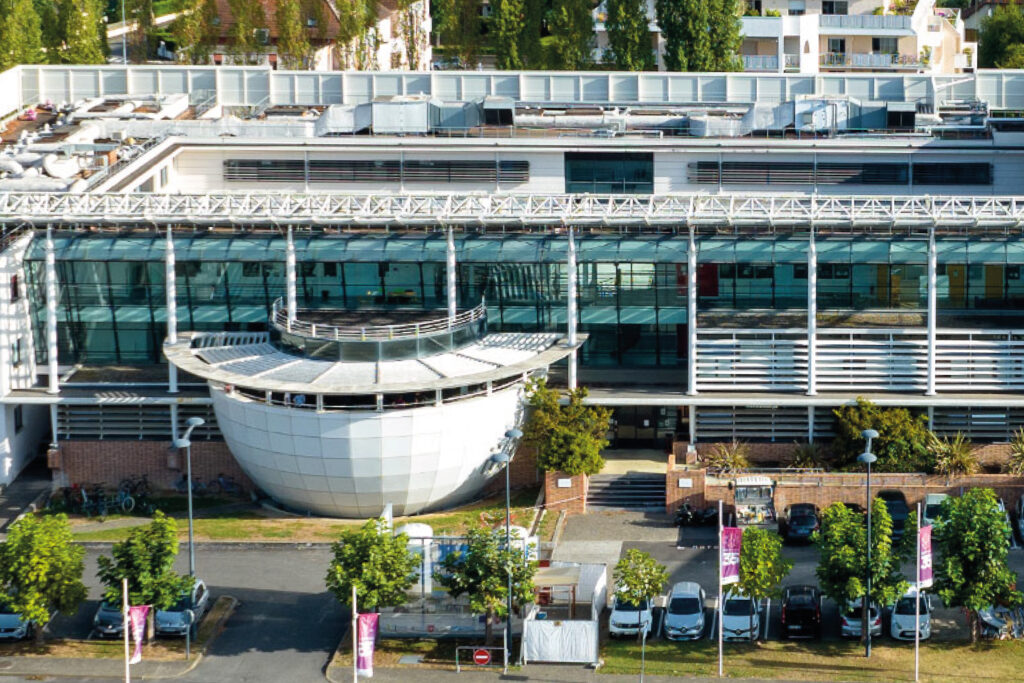
The Plast‑ANQO technology transfer unit is hosted within IPREM (UMR 5254), a joint research unit bringing together the Université de Pau et des Pays de l’Adour (UPPA) and CNRS. This close integration with academic research ensures a high level of scientific expertise and continuous methodological monitoring.
By relying on the equipment and analytical platforms of UPPA Tech, Plast‑ANQO has access to state‑of‑the‑art analytical capabilities, enabling the delivery of robust and reliable services tailored to the needs of industrial stakeholders and public institutions.
ADERA
Plast‑ANQO is a technology transfer unit whose financial and administrative management is ensured by ADERA, the technology transfer subsidiary of four higher‑education and research institutions: the University of Bordeaux, the University of Pau and Pays de l’Adour, Bordeaux INP, and La Rochelle University.

Host Institution - Université de Pau et des Pays de l’Adour
Established within the University of Pau and Pays de l’Adour, Plast‑ANQO was created to address the growing demand for scientific expertise in the field of plastic pollution, providing rigorous analyses tailored to current environmental and industrial challenges.

Host Instituion- Centre National de Recherche Scientifique
Plast‑ANQO relies on the scientific expertise and network of the CNRS, which supports its research and development activities.This academic supervision ensures a high level of methodological rigor and access to the scientific resources and expertise required to address complex issues related to microplastics.